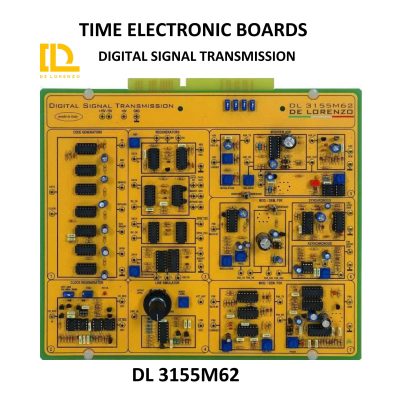
DL 3155M60-S Analog Communications Trainer
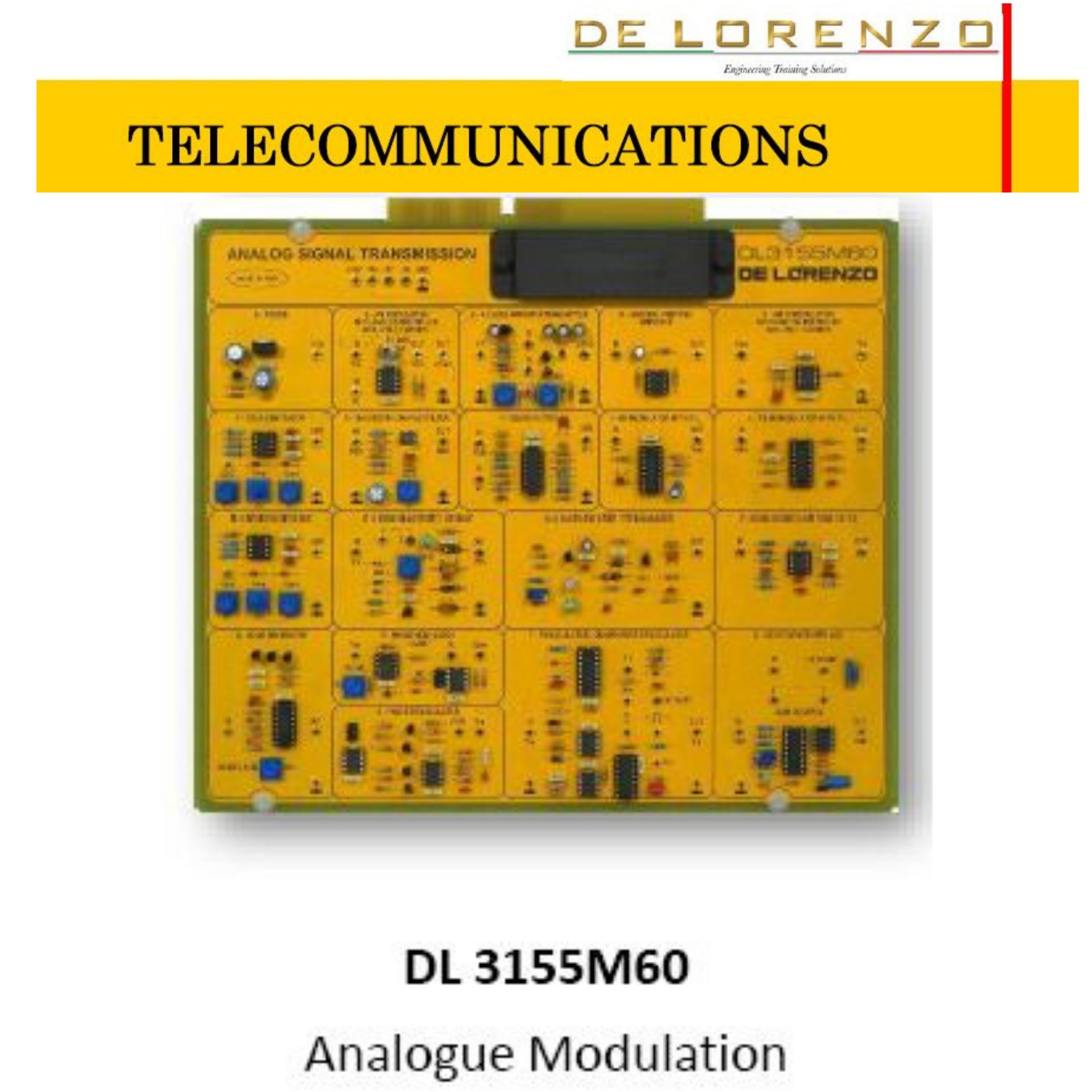
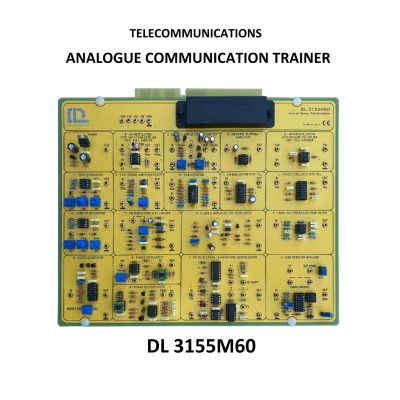
The DL 3155M60-S Analog Communications Trainer is an advanced educational training system designed for electronics and communication engineering laboratories. It enables students to understand the design, construction, and analysis of analog communication circuits used in real-world communication systems.
This trainer provides a comprehensive platform to study the operating principles of the most widely used analog modulation techniques such as AM, DSB, SSB, FM, and PM. With integrated signal generators and auxiliary circuits like VCO (Voltage Controlled Oscillator) and PLL (Phase Locked Loop), students can perform a wide range of experiments to understand signal transmission, modulation, and demodulation processes.
The system also includes fault simulation features, allowing students to develop troubleshooting and diagnostic skills that are essential in practical engineering environments.
Virtual Instrumentation
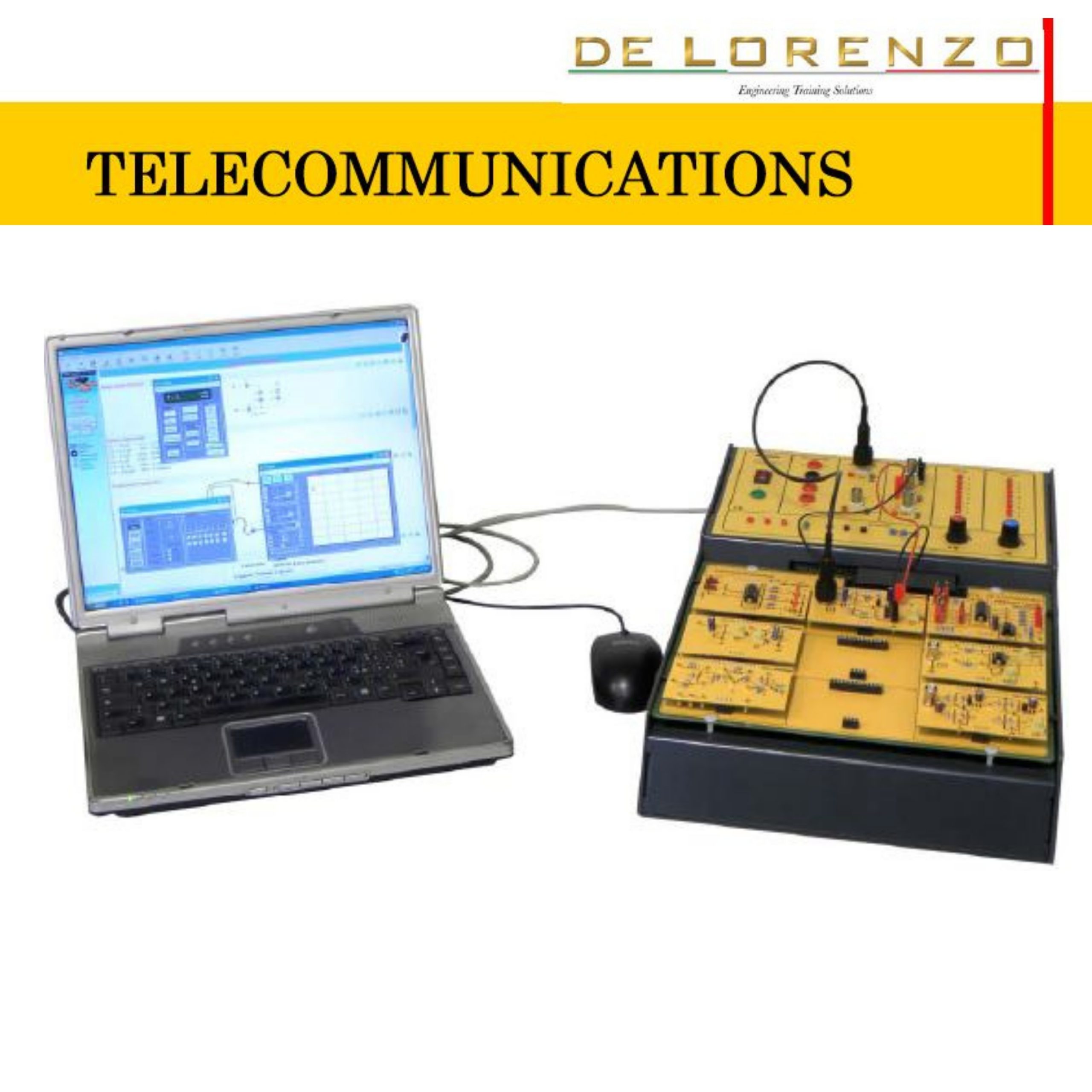
The trainer supports PC-based virtual instrumentation, including:
- Digital Multimeter
- Arbitrary Function Generator
- Digital Oscilloscope
- Spectrum Analyzer with FFT
- Network Analyzer (Bode Plot Analysis)
- Voltmeters and Measurement Tools
These tools allow students to observe signals, analyze frequency responses, and study real communication system behavior.
Connectivity and Interface
The system provides multiple connectivity options for modern laboratory environments:
- USB Interface
- Bluetooth Connectivity
- WLAN Support
- PC Interface Board
- Digital Pattern Generator
- Logic Wave Analyzer
Items Included
The complete training system includes:
- Analog Communication Module (DL 3155M60)
- Base Frame with Power Supply and PC Interface
- Student Navigator Software or Laboratory Management Software
- Connecting Leads Set
- Test Probes
- Power Cable
- Theoretical Guide
- Practical Laboratory Guide
Ideal For
- Electronics Engineering Laboratories
- Communication Engineering Courses
- Technical Universities and Institutes
- Research and Training Centers
This trainer provides a comprehensive hands-on learning environment that bridges the gap between theoretical knowledge and practical communication system design.